How to Cook Healthy Meals on a Budget: Eat Well Without Breaking the Bank
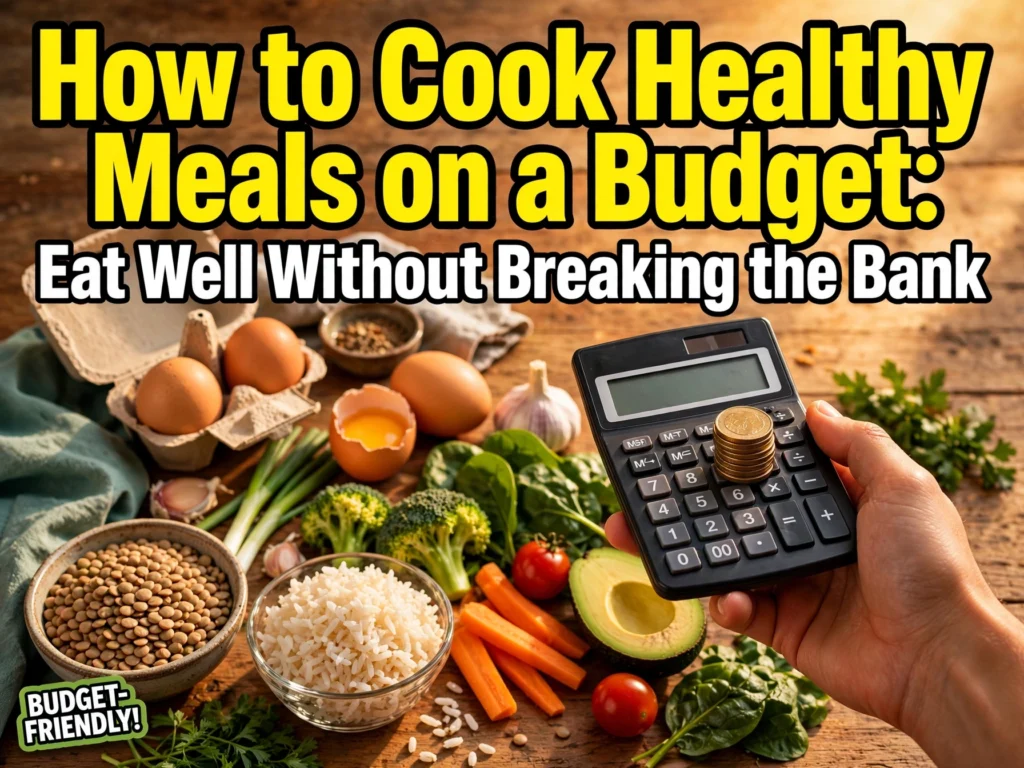
Let’s face it: there is a massive myth floating around that eating healthy is expensive. We see glossy Instagram photos of organic quinoa bowls and $20 smoothies, and we assume that nourishing our bodies requires a bottomless wallet.
But here is the truth that the grocery stores don’t want you to know: You don’t need premium price tags to eat premium food. In fact, some of the healthiest foods on the planet are also the cheapest. The secret isn’t about buying expensive superfoods; it’s about shopping smarter, cooking simpler, and wasting less.
Whether you are a college student, a busy parent, or someone trying to save for a rainy day, this guide will show you exactly how to fill your plate with vibrant, nutritious food—without emptying your bank account.
The Golden Rule of Budget Cooking: Shop the Perimeter
Before we even turn on the stove, we need to talk about your grocery store strategy. Here is a simple rule that veteran budget cooks live by: Stay on the outer aisles.
The center of the grocery store is where you find processed snacks, sugary cereals, and expensive pre-packaged meals. The perimeter—where the fresh produce, meat, dairy, and eggs are located—is where the real nutrition lives. By sticking to the outer edges, you naturally avoid the markup on processed junk.
The “6 Ingredient” Challenge
When you are at the store, challenge yourself to buy only whole ingredients. If a product has more than five or six ingredients listed on the label, put it back. Whole foods (like a bag of dried beans, a head of broccoli, or a whole chicken) are cheaper per pound and far healthier than their boxed counterparts.
The Budget Pantry: Your Secret Weapon
You don’t need a pantry full of exotic spices. You just need a core set of cheap, versatile staples that can turn into a hundred different meals. Stock your kitchen with these powerhouses, and you will never be stuck without a healthy dinner:
- Dried Lentils and Beans: They cost pennies per serving and are packed with protein and fiber.
- Brown Rice or Quinoa: A filling, cheap carbohydrate base for any meal.
- Canned Diced Tomatoes: The backbone of soups, stews, and sauces.
- Frozen Vegetables: Just as nutritious as fresh, but they last for months and cost much less.
- Eggs: The ultimate cheap protein. They can be breakfast, lunch, or dinner.
- Oats: Not just for breakfast; they can bulk up meatloaves or be ground into flour.
3 Real-World, Budget-Friendly Recipes to Get You Started
Now, let’s get practical. Here are three delicious, simple meals that cost under $3 per serving and take less than 30 minutes to prepare.
Recipe 1: The “Pantry Cleanout” Veggie Stir-Fry
This meal is perfect for those nights when your fridge looks empty. It relies on frozen vegetables and pantry staples.
Ingredients:
- 1 tablespoon of cooking oil (olive or canola)
- 1 bag of frozen mixed vegetables (broccoli, peppers, carrots, peas)
- 2 cloves of garlic (minced) or 1 teaspoon garlic powder
- 3 tablespoons of low-sodium soy sauce
- 1 teaspoon of honey or brown sugar (optional, for sweetness)
- Cooked brown rice or noodles to serve
Instructions:
- Heat the oil in a large skillet or wok over medium-high heat.
- Add the frozen vegetables directly to the pan (no need to thaw). Stir-fry for 5–7 minutes until they start to soften and get a little color.
- Add the garlic and cook for another minute until fragrant.
- In a small bowl, mix the soy sauce and honey. Pour the sauce over the vegetables and toss to coat.
- Cook for 2 more minutes until the sauce thickens slightly. Serve over your cooked rice or noodles.
Why it works: Frozen veggies are picked at peak ripeness and flash-frozen, locking in nutrients. Plus, you can swap the veggies based on whatever is on sale this week.
Recipe 2: Hearty Lentil & Tomato Soup
This is a one-pot wonder that freezes beautifully. It is filling, warming, and packed with iron and fiber.
Ingredients:
- 1 tablespoon of oil
- 1 onion, diced
- 2 carrots, diced
- 2 stalks of celery, diced
- 1 cup of dried brown or green lentils (rinsed)
- 1 can (15 oz) of diced tomatoes
- 4 cups of vegetable or chicken broth (water works too, but broth adds flavor)
- 1 teaspoon of cumin or smoked paprika
Instructions:
- In a large pot, heat the oil and sauté the onion, carrots, and celery for about 5 minutes until they soften.
- Add the rinsed lentils, canned tomatoes, broth, and spices. Stir well.
- Bring the soup to a boil, then reduce the heat to a simmer. Cover and let it cook for 25–30 minutes, stirring occasionally, until the lentils are tender.
- Taste and add salt or pepper if needed. Serve with a slice of whole-grain toast.
Why it works: Lentils are incredibly cheap and expand when cooked, making a small amount of food feel like a massive meal. This soup costs about $1.50 per serving.
Recipe 3: The “Frittata” (Eggs for Dinner)
A frittata is an Italian omelet that you bake in the oven. It uses whatever leftover vegetables you have hiding in the crisper drawer.
Ingredients:
- 6 large eggs
- 1/4 cup of milk (or water)
- 2 cups of chopped veggies (spinach, zucchini, leftover roasted potatoes, or mushrooms)
- 1/2 cup of shredded cheese (cheddar, mozzarella, or whatever is cheapest)
- Salt, pepper, and a pinch of garlic powder
Instructions:
- Preheat your oven to 375°F (190°C).
- Whisk the eggs and milk in a bowl until fluffy. Season with salt, pepper, and garlic powder.
- Grease a medium-sized oven-safe skillet. Sauté your chopped veggies on the stovetop for 3–4 minutes to soften them.
- Pour the egg mixture over the veggies and sprinkle the cheese on top.
- Cook on the stove for 2–3 minutes until the edges start to set.
- Transfer the skillet to the oven and bake for 10–12 minutes, or until the top is golden and puffed up.
Why it works: Eggs are a complete protein, and you can throw literally any veggie scrap into this dish. It is zero-waste and incredibly satisfying.
7 Money-Saving Tips for Healthier Eating
Cooking on a budget isn’t just about recipes; it’s about adopting a mindset. Here are the habits that will save you hundreds of dollars a year.
1. Plan Your Meals Around Sales
Never walk into a grocery store without a plan. Check the weekly flyer online before you go. If chicken breasts are on sale, plan to make stir-fry, fajitas, and chicken soup that week. Build your menu around what is discounted, not what sounds good.
2. Embrace the “Meatless Monday” Concept
Protein is usually the most expensive part of a meal. By having two or three meatless dinners per week (like the lentil soup or frittata above), you slash your grocery bill while increasing your fiber intake. Beans, eggs, and tofu are your best friends here.
3. Buy in Bulk, but Only for Staples
Costco or bulk bins are great, but only for items you know you will eat. Buy rice, oats, beans, and spices in bulk. Do not buy bulk bags of fresh produce unless you have a plan to use them—spoiled food is wasted money.
4. Use the “Cook Once, Eat Twice” Method
When you cook dinner, double the recipe. Portion the extra into containers and pop them in the freezer. This gives you a healthy, ready-made lunch for tomorrow or a backup meal for a busy night when you would otherwise order takeout. Takeout costs 4x more than home-cooked food.
5. Stop Throwing Away Scraps
Your vegetable peels, onion skins, and chicken bones are not trash—they are liquid gold. Save them in a freezer bag, and when you have a full bag, boil them in water to make a homemade stock. It is completely free and adds immense flavor to soups and sauces.
6. Buy Frozen Over Fresh
Fresh produce often goes bad in three days. Frozen produce lasts for months and loses almost no nutritional value during the freezing process. If you are cooking for one or two people, frozen spinach, peas, and berries are often the smarter, cheaper choice.
7. Pre-Cut Your Own Vegetables
Have you seen the price of pre-cut watermelon or pre-chopped onions? You are paying a huge premium for convenience. Buy whole vegetables and spend 10 minutes chopping them yourself. That 10 minutes saves you about $2 to $3 per meal.
The Connection Between Budget and Nutrition
There is a psychological barrier that says, “If it’s cheap, it must be unhealthy.” Let’s demolish that thought right now.
A bag of dried lentils costs about $1.50 and provides 7 servings of protein and fiber. A package of instant ramen costs $1.00 and provides empty calories, sodium, and zero nutrients. The lentils are slightly more expensive upfront, but they actually feed you, while the ramen leaves you hungry an hour later.
Healthy eating is an investment in your energy and focus. When you eat well, you work better, think faster, and feel happier. That productivity pays for the groceries many times over.
Your Weekday Game Plan
If you are feeling overwhelmed, don’t try to change everything at once. Start small:
- Week 1: Pick one recipe from this list and make it for dinner.
- Week 2: Commit to buying one bag of frozen vegetables instead of fresh.
- Week 3: Plan your lunches based on leftover dinner.
Small changes lead to big habits. Before you know it, you will walk into a grocery store with confidence, knowing that you can make a delicious, nutritious meal for less than the cost of a fast-food burger.
The Bottom Line
You don’t need a culinary degree or a massive paycheck to eat food that makes you feel good. You just need a little creativity, a handful of staple ingredients, and the willingness to cook from scratch.
The recipes above are proof that health and savings go hand in hand. So, put down the takeout menu, grab that skillet, and give your body the fuel it deserves—without feeling guilty about the receipt.
Happy cooking, and remember: Every dollar saved is a dollar earned for your future!