Seed Cycling for Hormone Balance: Does It Actually Work?
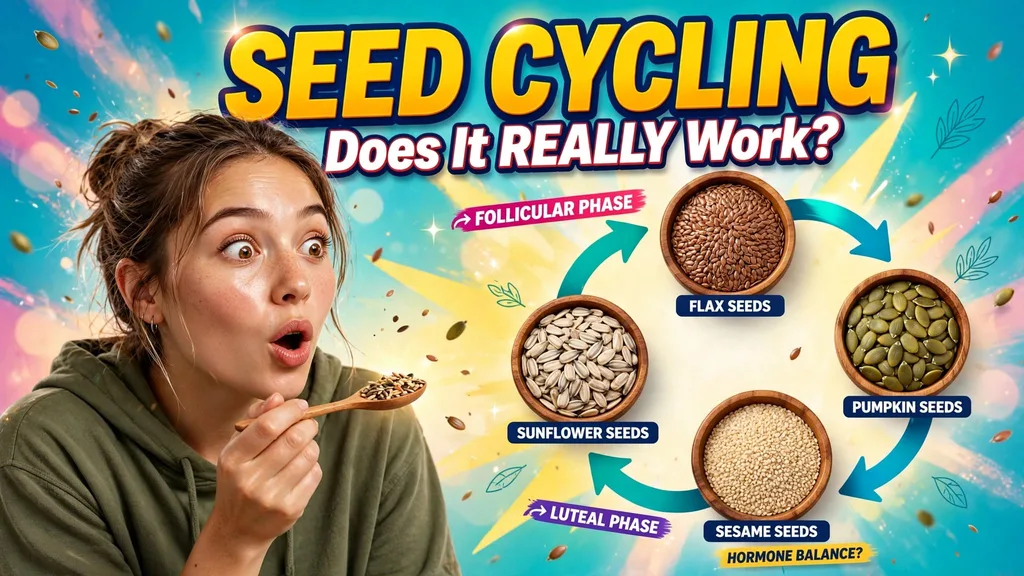
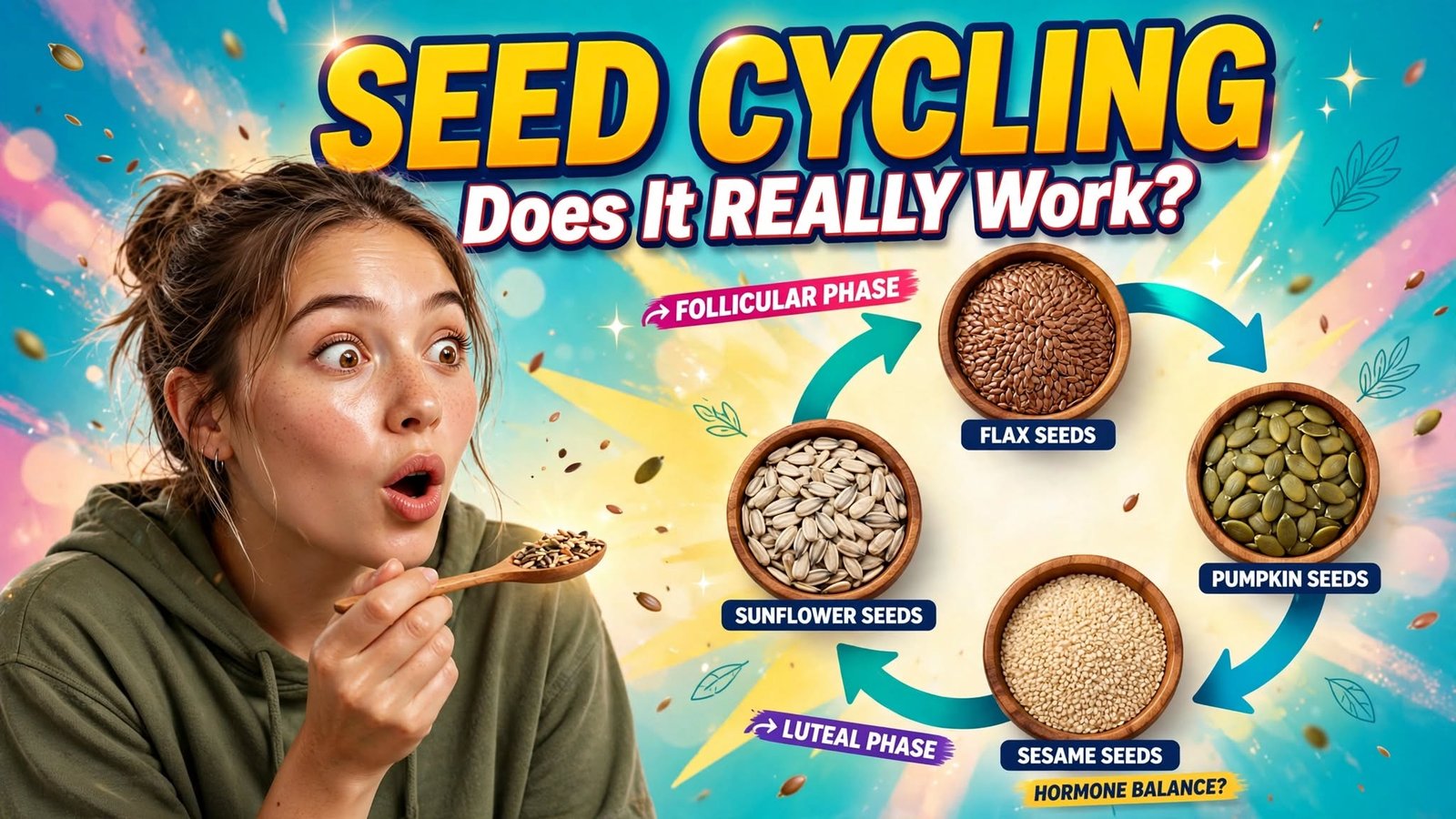
Seed cycling has taken the wellness world by storm. From social media influencers to natural health blogs, this practice is widely promoted as a simple, food-based solution for balancing hormones, easing PMS symptoms, regulating irregular periods, and even supporting fertility . But does it actually work—or is it just another wellness fad?
This comprehensive guide cuts through the hype to examine the science behind seed cycling. You’ll learn exactly what the practice involves, the nutritional rationale behind it, what current research reveals, and whether it’s worth incorporating into your routine. Let’s separate fact from fiction and help you make an informed decision about this trending health practice.
Myth 1: Seed Cycling Is Scientifically Proven to Balance Hormones
Many proponents claim seed cycling is a well-researched, proven method for hormone regulation.
The Truth: There is no high-quality evidence from controlled trials supporting seed cycling as an effective hormone-balancing strategy . While seeds are undeniably nutritious, the specific practice of cycling them according to menstrual phases remains largely unproven in clinical settings.
Research on the individual seeds is promising, but studies directly evaluating the structured seed cycling protocol are scarce . A 2025 systematic review found some evidence suggesting seed cycling may improve menstrual regularity and reduce PMS symptoms, but the authors acknowledged significant limitations including small sample sizes and moderate evidence quality . As one health expert notes, “Right now, there is not a lot of evidence to support using seed cycling to balance hormones during reproductive age” .
Myth 2: You Can Just Eat Whole Seeds
A common assumption is that snacking on whole pumpkin or sunflower seeds provides the same benefits as ground seeds.
The Truth: While you can snack on whole pumpkin and sunflower seeds, your body will absorb sesame seeds and especially flax seeds much better if they are ground . Whole flax seeds often pass through the digestive system undigested, meaning you miss out on their beneficial nutrients.
Pro Tip: Grind seeds fresh in a small coffee or spice grinder to improve nutrient absorption. Store ground seeds in the refrigerator or freezer in an airtight container and use within 1-2 weeks, as ground seeds can go rancid quickly .
Myth 3: Seed Cycling Is Only for Women with Regular Cycles
Another misconception is that you need a consistent menstrual cycle to practice seed cycling.
The Truth: If you have irregular or absent periods, tracking seed cycling becomes challenging. How do you know which phase you’re in without thorough testing? This is a critical flaw in the seed cycling approach for those with conditions like PCOS or perimenopause.
For women who no longer have a regular cycle, many practitioners suggest using the lunar cycle as a guide: begin Phase 1 on the new moon and Phase 2 on the full moon . However, this approach is based on theory rather than scientific evidence. Before attempting seed cycling, it’s wise to seek medical evaluation and baseline hormone testing to understand your actual hormonal picture .
The Science Behind Seed Cycling
Before diving into the research, let’s understand what seed cycling actually involves and why proponents believe it works.
What Is Seed Cycling?
Seed cycling is a food-based approach to supporting hormone health throughout the menstrual cycle. It involves eating different seeds during two key phases :
Phase 1 — Follicular Phase (Days 1-14):
Consume 1-2 tablespoons each of ground flaxseeds and pumpkin seeds daily. This phase spans from the first day of your period up to ovulation.
Phase 2 — Luteal Phase (Days 15-28):
Switch to 1-2 tablespoons each of ground sesame seeds and sunflower seeds daily. This phase runs from ovulation until your next period begins.
How Is It Supposed to Work?
Proponents believe each seed provides specific nutrients that support hormone production during different cycle phases :
Flaxseeds contain lignans, plant compounds that act as phytoestrogens—they can mimic estrogen and bind to estrogen receptors in the body. Flaxseeds may help support healthy estrogen levels and modulate androgen breakdown .
Pumpkin seeds are rich in zinc, which the body needs to synthesize follicle-stimulating hormone (FSH) and luteinizing hormone (LH)—both involved in ovulation .
Sesame seeds also contain lignans that may support estrogen metabolism and promote hormonal equilibrium .
Sunflower seeds are high in vitamin E and selenium, which provide antioxidant protection and may support progesterone production .
The theory is that by consuming seeds with nutrients suited to each phase, you gently support the natural hormonal rhythms of your cycle.
What Does the Research Actually Show?
The scientific evidence for seed cycling is mixed. Here’s what the research reveals.
The 2025 Systematic Review
The most comprehensive analysis to date, published in 2025, examined 10 studies covering seed cycling or its key components in women with PMS or PCOS. Researchers found that seed cycling “was associated with improved menstrual regularity, reduced PMS symptom severity, and favourable modulation of sex hormone levels” . Improvements in lipid metabolism and insulin resistance were also noted.
However, the authors acknowledged significant limitations: small sample sizes, moderate evidence quality, and no long-term follow-up to see if benefits persisted . This makes it difficult to draw definite conclusions about seed cycling specifically.
Studies on Individual Seeds
While direct research on seed cycling is limited, studies on individual seeds show promise:
Flaxseed: A small study found that flaxseed powder (10 grams per day) was linked to better hormonal balance during the luteal phase, with a healthier progesterone-to-estrogen ratio and more regular ovulation . However, the sample was small, and participants already had regular cycles, so results are not widely applicable .
Flaxseed and Perimenopause: A 2024 study found that 10 grams of daily flaxseed powder over three months produced a 47% decline in perimenopausal symptom scores .
Sesame Seeds: A study found that consuming 15 grams of sesame seeds daily, starting two days before menstruation, was linked to reduced period pain .
Pumpkin Seed Oil: A pilot study found that postmenopausal women consuming 2 grams of pumpkin seed oil daily for 12 weeks experienced significant improvements in overall menopausal symptom scores .
What the Evidence Does NOT Confirm
No large-scale randomized controlled trial has yet tested the full seed cycling rotation . Interpreting individual seed studies as proof that seed cycling works would be overclaiming the current data.
One study involving 90 women with PCOS found that seed cycling alongside diet and exercise showed some hormonal improvements, but the study tested combined seeds rather than the cycling structure itself .
Myth 4: You Don’t Need Medical Advice Before Starting Seed Cycling
With seed cycling being a natural approach, some assume it’s automatically safe for everyone.
The Truth: While seeds are generally safe when part of a healthy diet, certain conditions require medical evaluation first. Women with known allergies to seeds, hormone-sensitive cancers, or serious health concerns should consult a healthcare provider before starting seed cycling .
Important Contraindications:
- Seed cycling should be avoided during pregnancy, as estrogen and progesterone rise continuously and do not follow the same cyclical pattern .
- Women using hormonal contraception likely won’t see effects on their cycle, as hormones are externally controlled .
- Anyone experiencing significant hormonal symptoms should seek clinical evaluation rather than relying on seed cycling alone .
Myth 5: You’ll See Results Immediately
Some wellness sources promise quick hormonal fixes through seed cycling.
The Truth: It takes time for the positive effects of seed cycling to become visible. Proponents typically suggest evaluating results after 3 full menstrual cycles . Some women may feel benefits after the first cycle, while for others it can take up to three cycles .
If you notice seed cycling does you good, it makes sense to continue it long-term. Once you stop, any deficiencies and related issues may return . Remember: every seed consumed is beneficial for the body regardless of cycling.
How to Start Seed Cycling
If you decide to try seed cycling, here’s a practical step-by-step guide.
What You’ll Need:
- Ground flaxseeds
- Ground pumpkin seeds
- Ground sesame seeds
- Ground sunflower seeds
- A calendar or period tracker
Steps:
- Identify your cycle phase. If you have a regular menstrual cycle, Day 1 is the first day of your period. If your cycle is irregular or absent, consider waiting until your next period to begin counting .
- Days 1-14 (Follicular Phase): Consume 1 tablespoon of ground flaxseeds and 1 tablespoon of ground pumpkin seeds daily .
- Days 15-28 (Luteal Phase): Switch to 1 tablespoon of ground sesame seeds and 1 tablespoon of ground sunflower seeds daily .
- Track your symptoms. Keep a diary to note any changes in menstrual regularity, PMS symptoms, cramps, or other cycle-related issues .
Tips for Success:
- Grind your seeds fresh for better absorption .
- Store seeds properly in the refrigerator or freezer to prevent rancidity .
- Start with one tablespoon daily per seed, building to two as your digestive system adjusts .
Better Alternatives to Seed Cycling
Rather than relying solely on seed cycling, consider these evidence-based approaches to hormone health :
- Follow a Mediterranean-style diet. Rich in vegetables, legumes, whole grains, lean proteins, and healthy fats—seeds included! This diet has extensive research supporting its benefits for overall health and fertility .
- Regular movement and stress management. Exercise supports fertility outcomes and overall hormonal health .
- Consult a healthcare professional. Work with a dietitian or doctor who understands your unique hormonal and reproductive picture. They can provide personalized, science-backed strategies .
Frequently Asked Questions
Q: Is seed cycling safe?
A: When seeds are part of a healthy diet, they are unlikely to cause harm . However, if you have allergies, kidney issues, or a hormone-sensitive condition, consult a healthcare provider first.
Q: Can seed cycling help with PCOS?
A: Some studies suggest seed cycling may improve PCOS markers, but research is limited. A 2025 review found potential benefits for menstrual regularity and hormone modulation . However, this should not replace medical treatment.
Q: How long should I try seed cycling before deciding if it works?
A: Proponents typically suggest evaluating results after 3 full menstrual cycles . Keep a symptom diary to track any changes.
Q: Can I seed cycle during menopause?
A: Some practitioners suggest using the lunar cycle as a guide, but the menstrual-cycle-rotation rationale becomes irrelevant after menopause ends. Seek clinical evaluation for menopausal symptoms .
Q: Does seed cycling work for fertility?
A: While individual seeds like flax have shown some benefit in supporting ovulation, no research directly confirms seed cycling as a fertility treatment. Focus on overall nutrition and consult a fertility specialist .
Q: Can I eat seeds on hormonal birth control?
A: While seeds are generally safe alongside hormonal contraception, the “cycling” effect is unlikely to apply since your hormones are externally controlled. Seeds can still be a healthy dietary addition .
Conclusion
Seed cycling offers an intriguing, food-based approach to supporting hormone health, but it’s important to set realistic expectations. The research on individual seeds shows promising benefits, yet the specific practice of cycling seeds according to menstrual phases remains largely unproven .
So should you try it? The answer depends on your individual health needs and goals. Seed cycling is inexpensive, natural, and nutritious . If you love the idea and want to give it a try, there’s little harm in doing so—provided you don’t delay seeking personalized support for hormone or fertility issues .
Remember: seeds are nutrient-dense additions to any diet whether you cycle them or not. For deeper insights into evidence-based nutrition strategies, explore our guide on the Mediterranean diet or learn more about managing PCOS naturally.